Beauty has become monotonous, influenced by powerful algorithms that entrench long-standing ideals. Its future depends on embracing complexity, friction and cultural depth to spark genuine connection and consumer curiosity.
Social, technological and cultural forces are reshaping how we define and experience beauty. Algorithms and social media amplify narrow standards, turning appearance into digital currency and intensifying identity pressures, while health trends, biohacking and data-driven self-improvement turn everyday routines into markers of privilege, even as freedoms shrink and marginalised groups face disproportionate constraints.
The Future Laboratory has launched its new Beauty, Health & Wellness Futures 2026 report, The Great Beauty Blur, to look at how a new wave of beauty ideals is emerging.
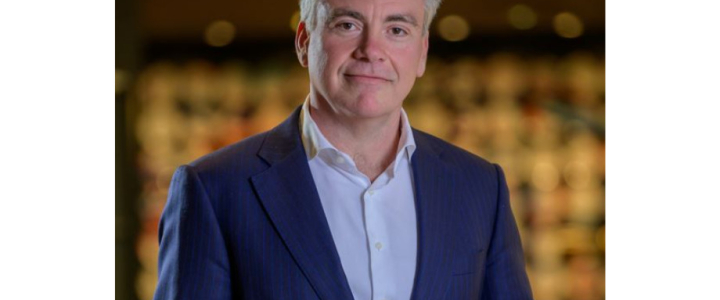
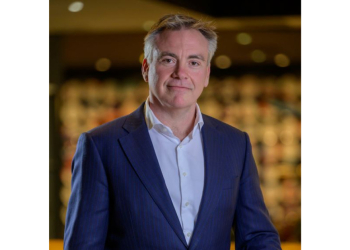
“The events of the past decade have shown us that society is facing a deepening identity crisis, where appearance is increasingly weaponised by politics, media and technology. Beauty styles now signal ideology, entrench hierarchies and narrow diversity. The Great Beauty Blur shows why it’s crucial for brands and culture-makers to understand and challenge these trends before they shape the long-term future of human expression,” says Olivia Houghton, insights and engagement director and beauty lead at The Future Laboratory.
Included in the report are key trend drivers, insights and foresights. Highlights include:
· Beauty’s Evolution – From Hollywood glamour to wellness minimalism, modern beauty reveals a paradox of transformation and sameness. As appearance becomes digital identity capital, social media platforms and AI amplify self-performance, scrutiny and social validation pressures.
· Algorithmic Amplification – Digital algorithms prioritise familiar, easy-to-consume content, reinforcing narrow beauty ideals while shaping preferences and aesthetics. Although controlling, these systems can also be subverted, enabling new forms of self-expression and identity.
· Anti-fluency Aesthetics – Beauty’s future lies in provocation and strangeness, creating ‘aesthetic arrest’. Through distortion, theatricality and hyper-artificial effects, brands and consumers disrupt sameness, spark curiosity and redefine visual and emotional engagement.
· The Beauty of Origin – Regional beauty and heritage are resurging as brands embrace culturally rooted narratives, local rituals and ethnic aesthetics. Disruptors challenge homogenised ideals, reclaiming representation and authenticity in products, campaigns and fragrance.
· Dynamic by Design – Product innovation combats homogenised beauty by creating dynamic, multi-sensory experiences. From evolving scents to transformative make-up, brands engage consumers, surprise the senses and challenge predictable, uniform expectations in the industry.
· The Illusion of Self – Post-pandemic digital life and AI hyper-realism distort self-perception, intensifying identity crises. Counter-movements such as no-mirror practices and perceptual experiments challenge curated appearances, encouraging authenticity, self-acceptance and reconnection with unfiltered identity.
Purchase the report here: https://www.thefuturelaboratory.com/reports/beauty-wellness/the-great-beauty-blur