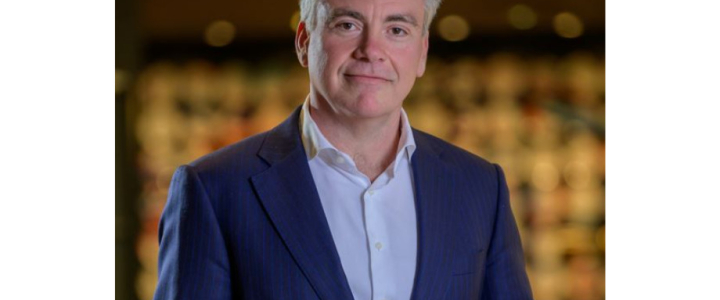
Dan Bosomworth, Founder & CEO of Brass Monkey
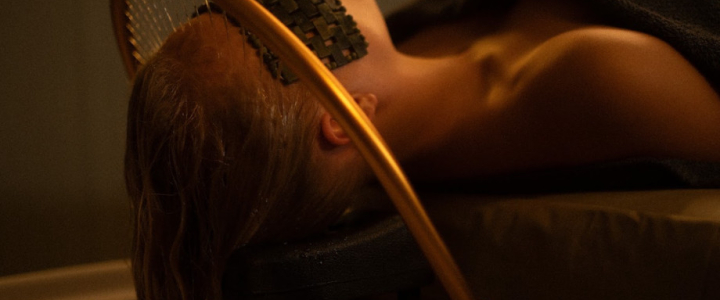
Hot and cold therapy has surged in popularity in recent years, particularly driven by the widespread rise of ice baths, cold plunges, snow showers and other forms of cold therapy. With wellness trends showing no signs of slowing, we expect this movement to only strengthen as we head into 2026.
To better understand the shift in consumer attitudes towards cold exposure, and why spas should consider embracing it, we spoke with Dan Bosomworth, Founder & CEO of Brass Monkey, global leaders in ice baths and cold plunges. Dan shares insights into the future of cold therapy, the benefits behind the trend, and how spas can successfully integrate it into their offering.
- How are spas currently incorporating ice baths or cold therapy into their facilities?
We're seeing a fundamental shift. What was once an afterthought, a cold shower tucked away, is now being designed as core infrastructure from the ground up.
Leading operators are creating dedicated recovery zones that integrate ice baths alongside heat experiences like saunas and steam rooms. The most forward-thinking spas are building "contrast therapy circuits"; purposefully designed spaces where guests can move seamlessly between hot and cold.
At properties like Bulgari Hotels and Village Hotels, ice baths are positioned as central features, not add-ons, and some facilities are reporting 200-400 user loads per day, proving that this isn't a passing trend, it's guest-driven demand for proven recovery protocols.
2. Have you noticed a change in consumer understanding or attitudes toward cold bathing in recent years?
Absolutely. The conversation has matured massively. Three years ago, ice baths were seen as quite extreme and mostly for elite athletes. Today, there's more recognition that cold immersion is nervous system training, and as fundamental as strength or cardio.
Consumers now understand the science more: the dopamine boost, reduced inflammation, and better sleep. They're coming to spas specifically seeking these benefits.
What's interesting is the demographic shift. It's no longer just performance-focused millennials. We're seeing corporate professionals managing burnout, over-60s seeking better circulation and joint relief. Cold therapy has moved from niche to mainstream wellness essential.
3. How can spas educate guests about the health benefits of cold bathing?
Education should start before guests even enter the water. Make the science tangible and accessible, not intimidating.
Focus on outcomes guests care about: better sleep, reduced anxiety, faster recovery, improved focus. Frame cold immersion as nervous system training and something that complements their other wellness practices.
Pre-experience briefings are also essential for beginners. Explain why their heart rate increases, why controlled breathing matters, what the dopamine surge will feel like. When guests understand what's happening, they embrace the discomfort rather than fight it.
Consider offering guided sessions with breathwork instruction. The cold is intense, but proper breathing transforms it from an ordeal to a ritual.
4. From a business standpoint, what should spas consider before introducing ice bathing?
This isn't just about dropping a cold plunge in your facility; there are a few considerations:
- Infrastructure requirements: Commercial-grade systems need to withstand high-volume, high-frequency use. You need reliable refrigeration, advanced filtration for hygiene, and ideally remote diagnostics to minimise downtime.
- Space and experience design: Ice baths work best as part of a recovery ecosystem alongside heat, rest areas, and shower facilities. Think about guest flow and creating an environment that feels safe and inviting.
- Operational capacity: How many guests daily? Most optimal plunges are 2-3 minutes, so calculate turnover. Our partner sites serve hundreds of users per day with proper scheduling.
- Staff training: As mentioned previously, your team needs to understand protocols, safety, and how to guide guests. They're facilitating a wellness practice, not just monitoring equipment.
Finally, consider this an investment in retention and differentiation. Recovery offerings are becoming decision-making factors for bookings. The ROI isn't just direct revenue, but also competitive positioning.
5. What do you see as the future of cold bathing in the spa and wellness sector? Are there particular technologies or approaches on the horizon that excite you?
Cold therapy is evolving from an isolated practice to an integrated wellness system. The future is about personalisation, data, and seamless experience design.
We're already seeing smart systems with app connectivity, but the next frontier is data integration, ice baths that sync with wearables to recommend optimal protocols based on your sleep quality or stress levels.
I'm particularly excited about comprehensive contrast therapy systems: environments where temperature, light, and sound work together to guide nervous system states. Future spas could also offer circadian-aligned protocols: morning sessions ending in cold for activation, evening sessions ending in heat for sleep.
But most importantly, I see cold therapy becoming democratised. It'll be seen as essential wellness infrastructure, as standard as having a gym or pool. That's the real revolution: making elite recovery protocols accessible to everyone.
6. How is Brass Monkey addressing sustainability concerns, and what innovations are emerging to make cold therapy more eco-friendly for spas?
Sustainability is central to how we engineer our systems. The challenge with cold therapy has always been energy consumption, but smart design dramatically reduces environmental impact.
Our commercial systems use highly efficient refrigeration and superior insulation, which uses less energy to maintain temperature. Our always-on filtration reduces water waste as you're not constantly draining and refilling.
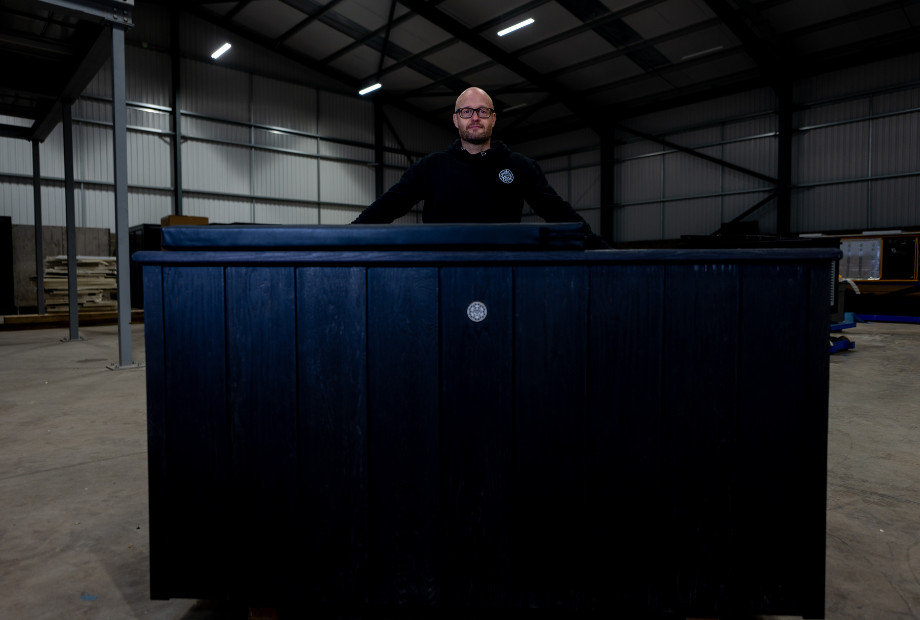
We're also focusing on longevity. The most sustainable ice bath is one that lasts decades, not years. We hand-build our units in Yorkshire using materials selected for durability—timber that ages beautifully, components that can be serviced rather than replaced.